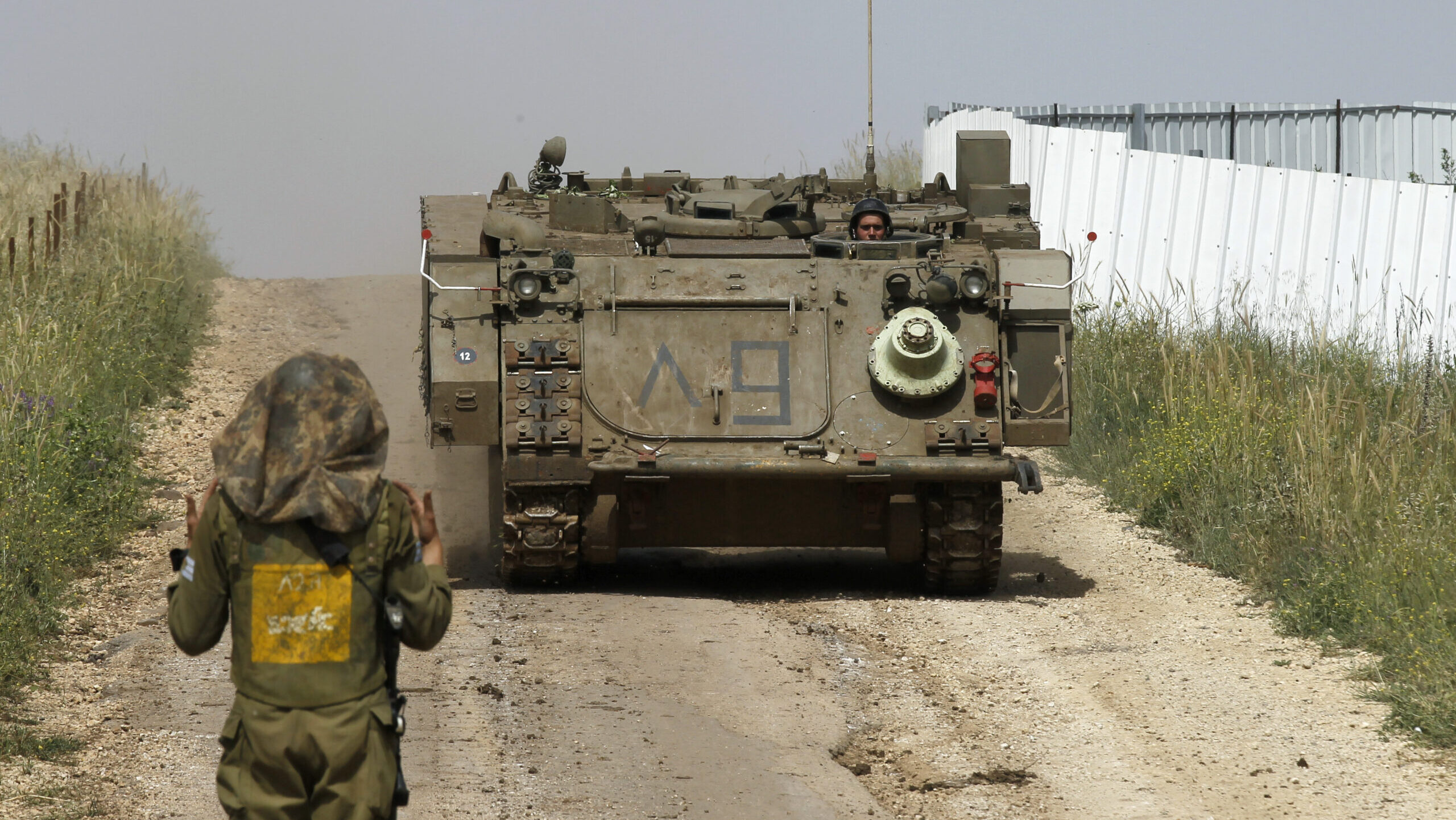
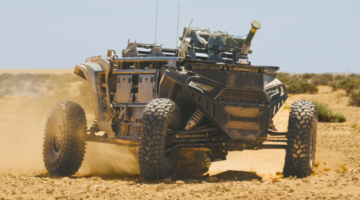
For Israel, Gaza conflict is evolutionary ground for robotic vehicles
An Israel Aerospace Industries official told Breaking Defense about the “niche” technological evolution amid a war.
An Israel Aerospace Industries official told Breaking Defense about the “niche” technological evolution amid a war.
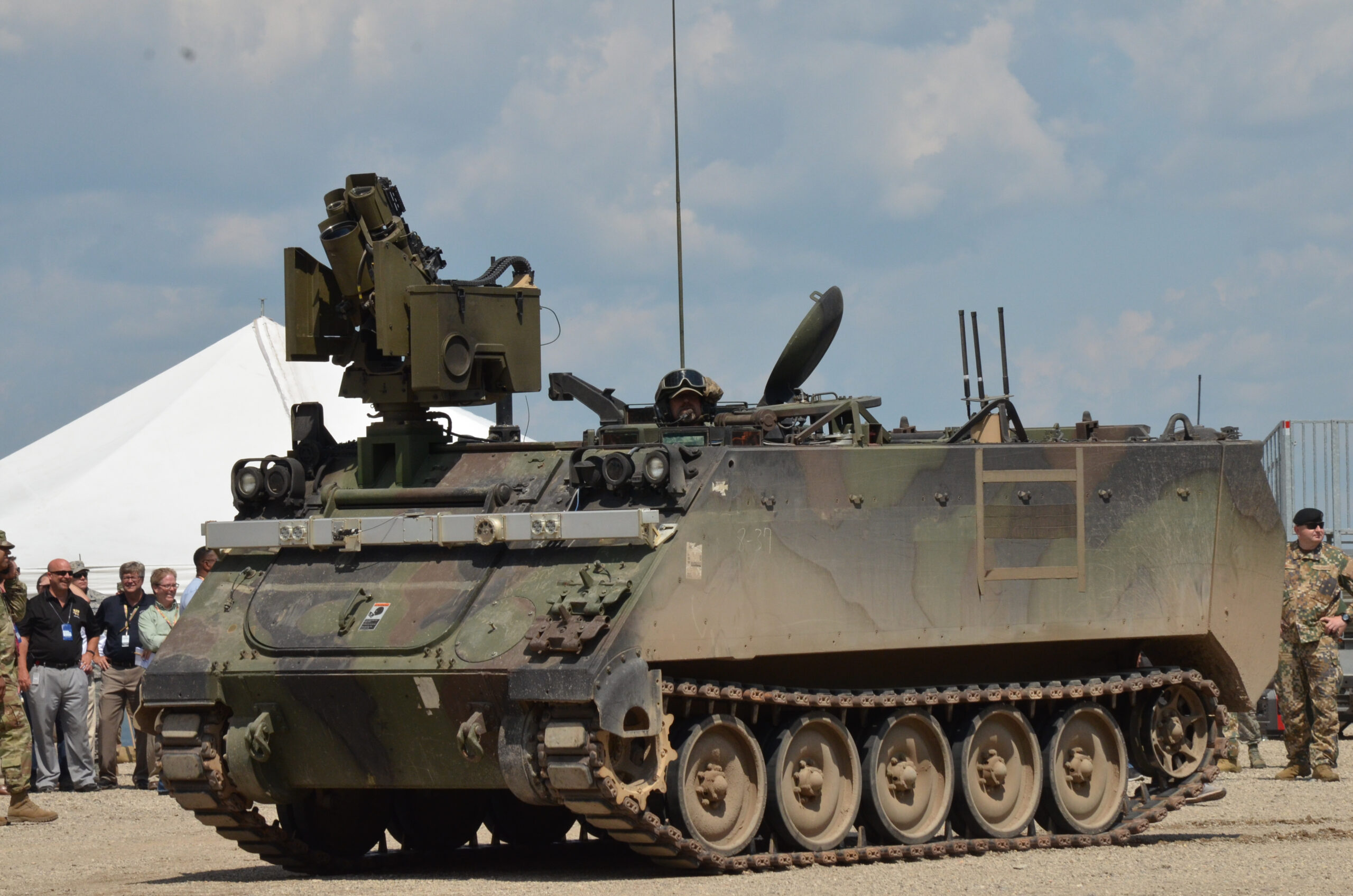
The Army’s prioritized so ruthlessly that the top 11 percent of programs will get 50 percent of the funding. The other 89 percent can’t take any more cuts without it killing them.


As threats continue to evolve, speed will increasingly depend on what is already available when the need emerges.

COVID-19 and quality control problems at BAE’s York, Penn. plant had slowed the replacement of the Vietnam-vintage M113 armored vehicle.
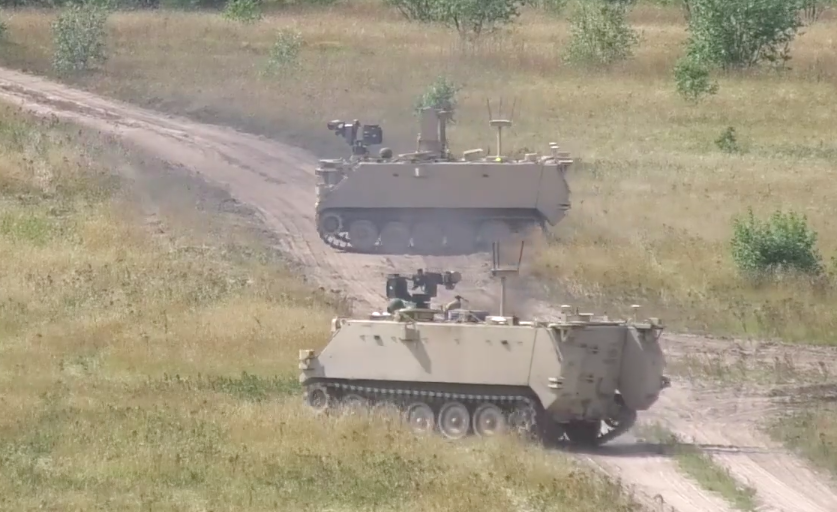
The US Army is field-testing a robot brain so versatile it can drive both tanks and trucks — even British Army lorries with the steering wheel on the wrong side.
Industry’s prototype Robotic Combat Vehicles are proving more capable than the Army expected, Brig. Gen. Richard Ross Coffman told me: “It is really exciting.”
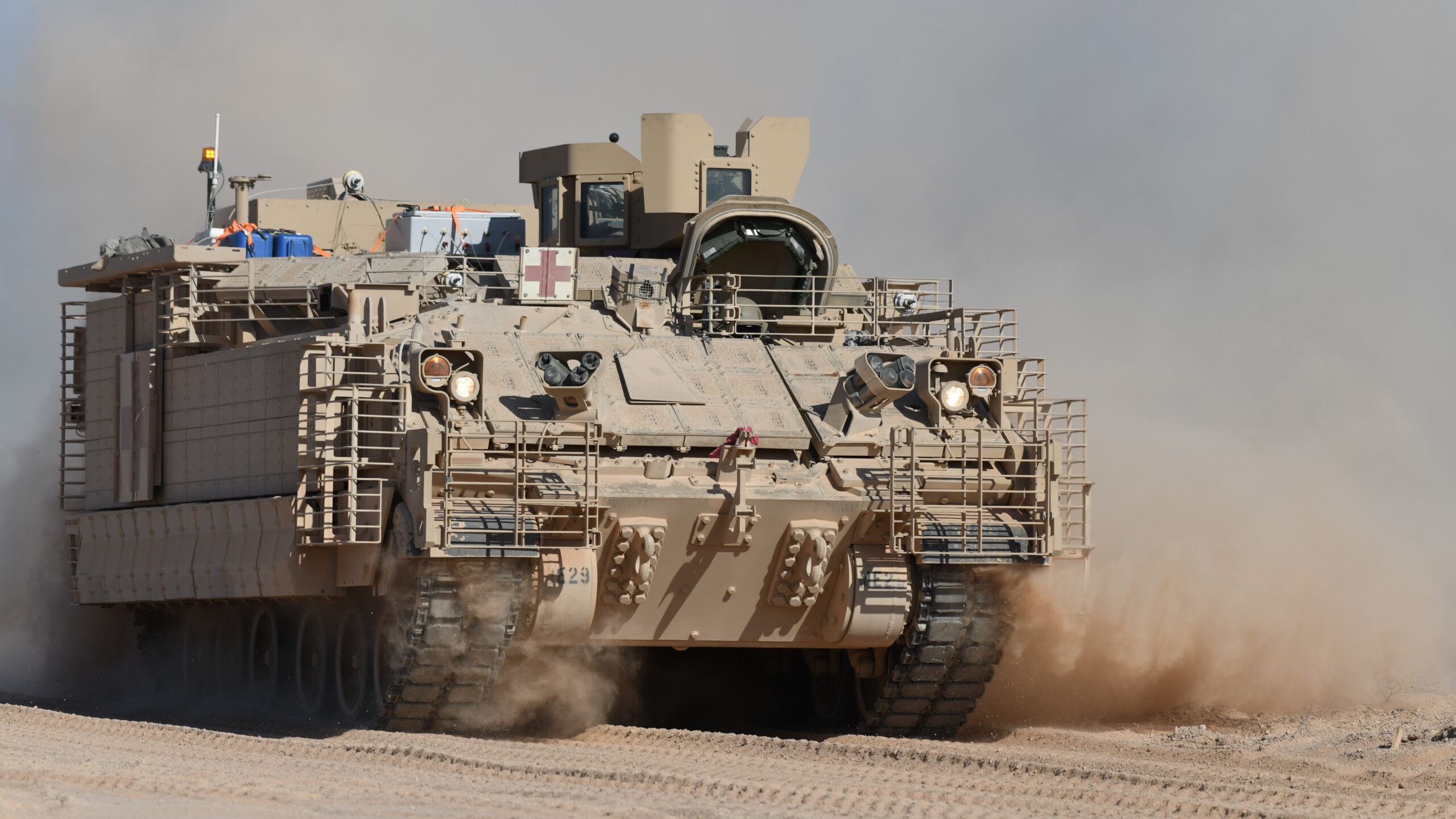
In Iraq, M113 variants were deemed too vulnerable to roadside bombs and confined to base. But in a fast-moving mechanized war in Eastern Europe, the armored brigades would need support vehicles that stand a chance against Russian firepower.

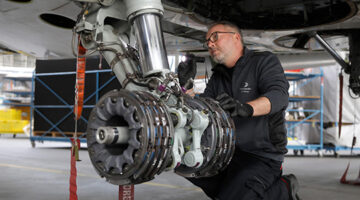
A commitment to long-term operational value.

Israel’s new Eitan armored personnel carrier is in final field testing with the celebrated Nahal infantry brigade, with series production to begin in 2021. Once the Israelis have enough Eitans to replace the last of their decades-old M113s, they plan to offer the new APC for export — and already foreign armies have sent observers […]

AMPV is a well-armored, all-terrain workhorse that will replace geriatric M113s in a host of roles from battlefield transport to armored ambulance to mobile command post.

The Google Car and Tesla Autopilot have blazed a trail for the future Army. Both robotics technology and Army thinking have come a long way since 2009, when Defense Secretary Bob Gates cancelled the massive Future Combat Systems program. Where FCS tried to invent new technology on a schedule for 19 different manned and unmanned […]
The actual Robotic Combat Vehicle that gets mass-produced and fielded by 2028 will be an all-new design, not a converted M113. But why wait for someone to design and build the perfect hardware, when you can start testing the software and the tactics on something cheaply available today?

One commander, many robots: Fully autonomous ground vehicles are reshaping the battlefield.
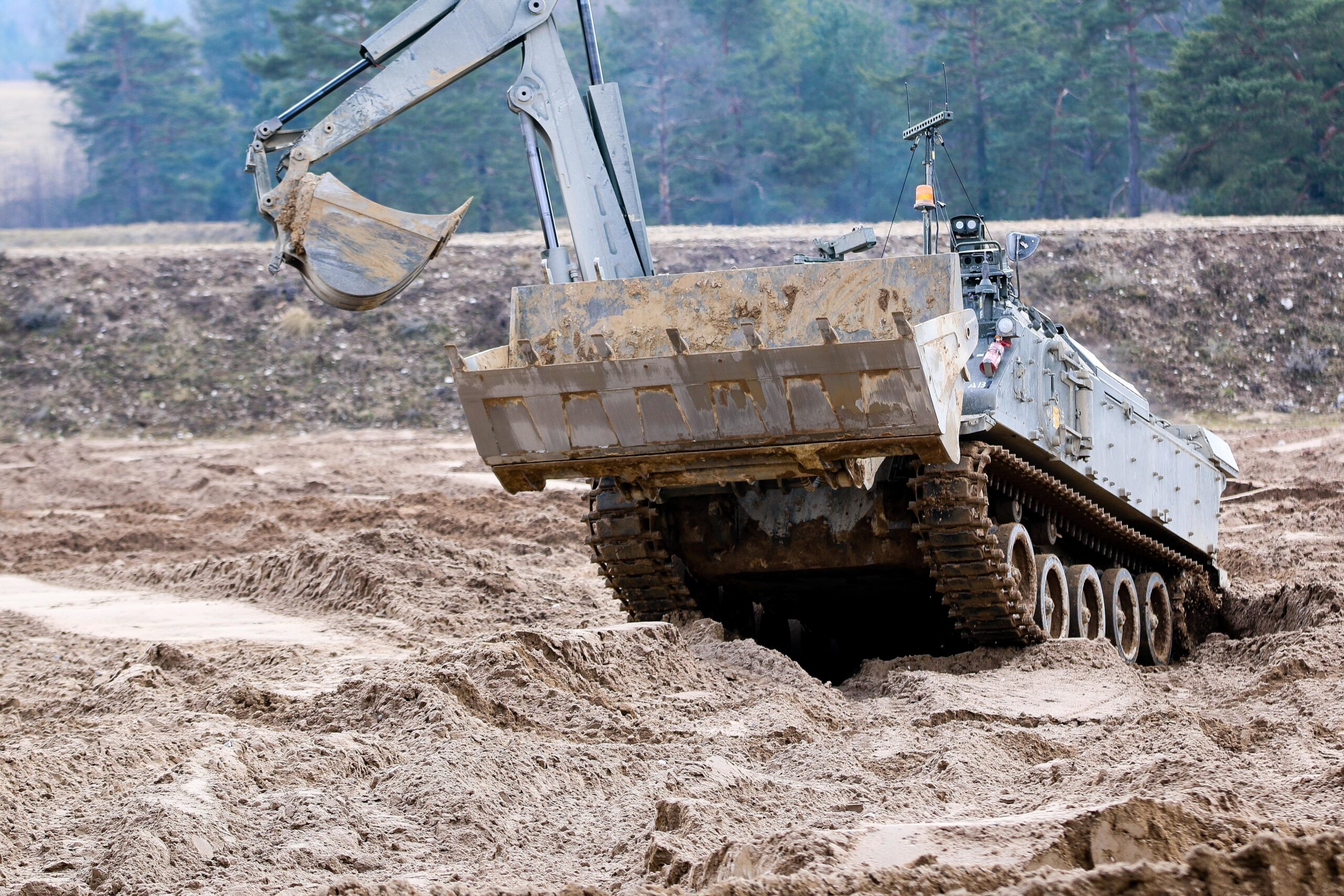
This week's experiment used a small zoo of specialized systems remote-controlled by humans, each with its own modest niche, working closely with each other and human forces.

The armored workhorse of the US Army, the M113 tracked carrier, first entered service in 1960. This morning, less than two years after signing a contract to replace the M113 in its roles as armored ambulance, mobile command post, and more, the Army and BAE Systems rolled out the first production-representative Armored Multi-Purpose Vehicle (AMPV). […]
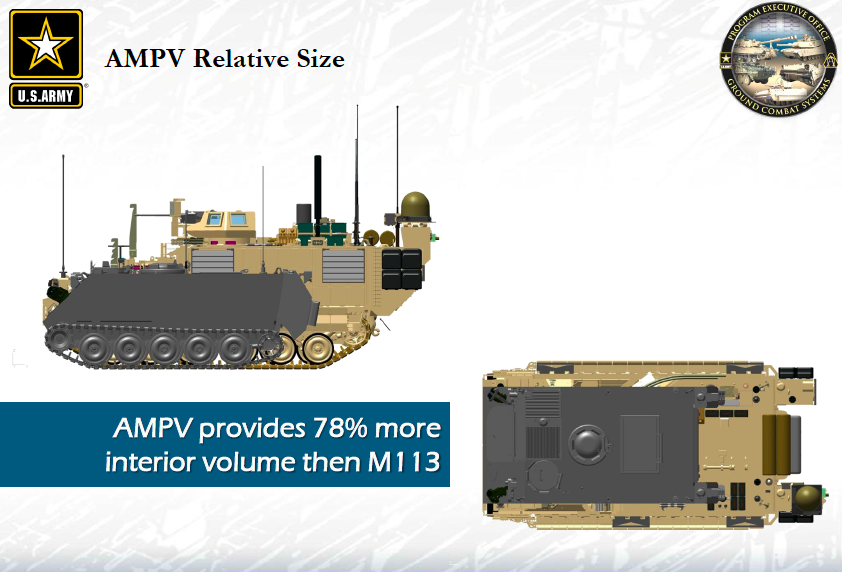
HUNTSVILLE, ALA: The lethally under-armored M113 “battle taxi” will celebrate its seventieth birthday before the Army replaces it with a new Armored Multi-Purpose Vehicle. Under current plans — which assume spending levels well above those allowed by the Budget Control Act (aka sequester) — AMPV production at contractor BAE Systems will max out at 180 […]

WASHINGTON: The top question on defense lawmakers’ minds right now is: “Can we trust you with the people’s money?” And no large military organization has a worse record in that respect than the US Army, with its unhappy track record of canceled programs and wasted billions dating to before 9/11. It’s such a sensitive and high-stakes question that, when I started to ask Army […]